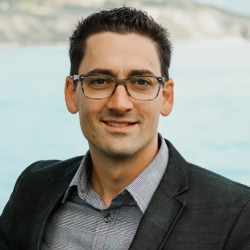
Dylan Cunningham is the Head of Growth at Otto, an e-commerce and patient engagement platform that helps independent eyecare clinics thrive in the digital age by streamlining contact lens sales and automating patient communication. Under Dylan’s leadership, Otto has enabled practices to compete with industry giants by implementing seamless online ordering and refill systems, resulting in measurable increases in patient loyalty and practice revenue. With a background in marketing and a passion for human behavior and psychology, Dylan brings unique insights on how technology can enhance both the patient experience and clinic growth.
Here’s a glimpse of what you’ll learn:
- [01:56] Dylan Cunningham talks about how automated contact lens management simplifies patient care
- [03:27] Why supporting local practices matters more than ever
- [04:41] The modern patient journey with seamless digital touchpoints
- [10:45] How convenience outshines price when choosing providers
- [13:51] The importance of easy EHR integrations for efficiency
- [16:37] Actionable steps to boost your practice’s online relevance
In this episode…
Some practices make patient loyalty look effortless, while others struggle to keep people coming back. What separates the two often isn’t skill or service, but the invisible moments between visits where convenience can make or break trust. In a world where patients expect everything to be simple and fast, how can clinics remove the friction that pushes people toward online giants instead?
The answer, according to Dylan Cunningham, lies in making the patient journey feel as natural as the way we shop for everything else. As a growth strategist with deep experience in both marketing and optical pursuits, he believes people genuinely want to support their local eye care provider — they just won’t fight through barriers to do it. Dylan explains how reducing steps, eliminating outdated processes, and meeting patients where they already are can dramatically shift buying behavior. He points to small but meaningful moments, like replacing paper rebates with instant digital links or making reorders possible in two taps, as examples of convenience that strengthens loyalty. When practices think like consumers instead of operators, he says, they unlock a level of trust and retention that online competitors can’t match.
In this episode of the Cleinman Connect Podcast, Kim Carson is joined by Dylan Cunningham, Head of Growth at Otto, to discuss how online presence and automations improve patient loyalty and sales. They explore the friction points that quietly drive patients away, the automations that save time while building trust, and why convenience is now the biggest driver in patient buying behavior. Dylan also gives advice on how practices can stay relevant in an increasingly digital world.
Resources mentioned in this episode:
- Kevin Wilhelm on LinkedIn
- Marketing4ECPs
- Cleinman Performance Partners
- Dylan Cunningham on LinkedIn
- Otto
- ”[Marketing] Digital, Traditional, and Best Practices for Marketing in Optometry” with Kate Virzi on the Cleinman Connect Podcast
- ”[Ownership] What To Consider When Insuring Your Practice” with Andrew Davis on the Cleinman Connect Podcast
Quotable Moments:
- “I do believe us as human beings, we all want to be loyal.”
- “We’re chasing that path of least resistance.”
- “If you make it easy, if the practice makes it easy, loyalty should win out every single time.”
- “Every touchpoint that the practice has with that patient is again, making it as seamless and frictionless as it can possibly be.”
- “Happy patient, happy practice.”
Action Steps:
- Remove unnecessary steps from the patient journey: Simplifying how patients buy, reorder, and interact reduces friction and keeps them choosing your practice.
- Adopt digital-first processes where paper still exists: Replacing outdated tasks like paper rebates with digital links improves efficiency and modernizes the patient experience.
- Enable 24/7 purchasing options: Giving patients the ability to buy anytime aligns with real consumer behavior and prevents them from turning to online competitors.
- Automate routine patient touchpoints: Automations such as refill reminders and expiry alerts strengthen loyalty while saving staff time to do higher-value work.
- View your practice through the patient’s eyes: Stepping into the consumer mindset helps identify barriers you may overlook and reveals opportunities to build trust.
Sponsor for this episode…
This episode is brought to you by Marketing4ECPs!
Working with them is like hiring a full-time marketing professional who knows the industry and understands your goals. Except, instead of one experienced marketer, you get a whole team in your corner.
Whether you’re an optometrist, ophthalmologist, or optician, they can help you grow your business with a plan that’s completely customized for you. Learn more here.
Episode Transcript
Intro: 00:07
Welcome to the Cleinman Connect Podcast, where we discuss marketing, ownership, growth strategies, and everything else surrounding the business of optometry. Cleinman is Optometry’s trusted business partner for over 35 years. Hello, I’m Kim Carson hosting Dylan Cunningham on this episode of the Cleinman Connect Podcast. Past guests of this show include Andrew Davis, a commercial placement broker and account manager at Wilson and Beck Insurance Services, and Kate Virzi, the director of sales and client success at Marketing4ECPs. Those episodes are available at Cleinman.com or wherever you like to listen.
So, Dylan, this episode is actually brought to our listeners by Marketing4ECPs. Working with them is like hiring a full time marketing professional who knows the industry and understands your goals. Except instead of one experienced marketer, you get a whole team in your corner. Whether you’re an optometrist or ophthalmologist or optician, they can help you grow your business with a plan that’s completely customized for you. Learn more at marketing4ecps.com.
I am joined today by Dylan Cunningham. He is the Head of Growth at Otto, an e-commerce and patient engagement platform helping eyecare clinics thrive in an increasingly digital world. With a background in marketing and experience in the optical space, he’s passionate about human behavior and psychology and how those insights can enhance the patient experience while driving strategic growth for clinics. Welcome to the show.
Dylan Cunningham: 01:34
Thanks, Kim. Thanks for having me. Excited to be here.
Kim Carson: 01:36
Yes, thank you so much for saying yes and jumping on the podcast with me. I want to jump in. So as the head of growth at Otto, I think it’s probably important to start off with giving you a moment to let our listeners know what Otto really is and and what you all want to accomplish for eyecare practices.
Dylan Cunningham: 01:56
Yeah, I’d like to talk about both of those separately. So let’s start with Otto. Otto. What is Otto to begin with? And so I like to describe Otto in kind of two different buckets.
Number one it is a contact lens patient engagement management software. So you know the ability to integrate with all your suppliers, order your contact lenses, have a lot of automations that are built in there that are going to save staff time, refill reminders, making it easy for patients to come back. It’s a whole patient management software on the contact lens side. And in the other bucket, it’s a it’s a full turnkey web store. So basically any practice can put this on their website.
It is again hands free once they have their products up there pricing, shipping rules, which we will set all of that up for them. They really they don’t have to manage a thing. They’re not managing inventory. Everything’s going to automatically fulfill. So just a way for them to to get online and, you know, allow expose themselves up to, to be open 24 hours a day and take away a little bit again from the practice side and the staff having to take the orders, placed orders, those types of things.
So that’s kind of the high level of what Otto is, but I guess our main goal and why Otto was created was truly to empower the independent practice owner and take away from, you know, the online giants that are one 800 contacts and soon to be Amazon. You know, not great for patients, not great for the industry. We all want to support our doctor. And so that was kind of the causation of why Otto was created.
Kim Carson: 03:20
Amazing. Do you have like a support local goal in the creation of this company?
Dylan Cunningham: 03:27
Yeah, I mean again, it’s to us it is really all about the practice and the independent practice. And I think every eye care patient that goes in wants to support local and wants to support their optometrist. I do believe us as human beings, we all want to be loyal. I also believe that nowadays we’re a lot less loyal than we think that we are. In.
My example on that is let’s support local and then we’re on Amazon ten minutes later buying whatever it is that we’re buying. We’re chasing that path of least resistance. So what Otto is trying to do is again, make it as convenient for the patient as possible throughout every step of the way that they experience within that practice to be able to empower them to be loyal. Again, if you make it easy, if the practice makes it easy, pricing is close with the rebates. Loyalty should win out every single time.
And that’s really where Otto comes in is just, again, you know, making it as convenient for the patients as we possibly can.
Kim Carson: 04:21
Well, I guess since we’re talking about patients, I would kind of like you to walk me and anyone listening through the patient journey. It’s something I know Otto focus is on and how they help practices. Could you just kind of walk us through the levels, the steps of it and how you’re nurturing potential patients for practices?
Dylan Cunningham: 04:41
Absolutely. Yeah. So let’s start by actually where the practice place is the original contact lens order. So when patient buys contact lenses at a practice, that practice now has to place that order. Generally what comes from that is there’s a rebate involved where the practice is writing out a tear pad, Giving that tear, that piece of paper to the to the patient feels a little archaic, feels a little bit old school.
So when they place that order in Otto rebates are automated and digital. So that’s the first aspect that that patient is going to experience. They’re going to get a message directly on their phone. It’s going to come from the practice’s branding. So Otto is completely white labeled.
Patients will not know who we are. We don’t want them to. It’s it’s again the practice’s branding is their loyalty. And as the patient that’s what they want to be seeing. So they get a message directly from the practice letting them know that their contact lenses have been ordered and they have a digital link for their rebate.
So that link takes them immediately to rebate redeem code. They get their lenses, get their code, work their way through the process same way that they normally would. Same rebate, same everything. The only difference is, again, staff didn’t have to think about it, deal with anything. It was automated and the patient now walks out with a link, not a piece of paper.
Again, feels a little bit more like 2025, less like 1995. And so that’s kind of that first experience from the Otto side that the patient’s going to going to have after that point when they get their contact lenses, they were automatically enrolled in a refill reminder. So the practice is going to let that patient know, hey, when you’re at the tail end of your supply, expect to get a refill reminder it’s going to come directly to your phone. So this message again comes directly to them. It’s personalized to them.
The clinic’s branding. They get this link being able to repurchase those contact lenses, their next supply. And they can order that in two clicks. Okay, so two clicks and a credit card. And often now people and patients have their credit card in their phone.
So it is literally two clicks to be able to place that order. So you know, there is no I think one of the biggest keys and differentiators to to what Otto is, and a lot of our magic and the success that we experience for our practices is within those refill reminders. Again, they’re branded. They’re personalized. That’s all great.
We feel that trust we can buy, you know, while we’re in the comfort of our own home, we’re not waiting for the practice to be open or anything like that. But there is no username password, account creation, app download any of that. So I don’t know about you, Kim, but I just have so many usernames and passwords out in this universe that when I’m told to create one, either a don’t do it or I’m frustrated in doing so. So we make it as seamless as we possibly can for the patient. So they have this frictionless, rebuying experience.
And we do find that when someone goes through that refill reminder, once they do it again and again and again, because again, it was so seamless and so convenient, and they had the ability to do it at any point in time during the day, evenings, weekends, those types of things. So really easy for them. The online store is obviously accessible 24 hours a day as well too. So it comes preloaded with contact lenses for sure, but there’s also OTC dry products that are on there, pre-built in as well, so patients can buy their contact lenses and their solutions again, all in a couple of clicks directly from their optometrist. And they also get a prescription expiry alert as well, too.
I think a lot of us kind of miss that date or forget about it. You know, and then get a message, you know, after the fact to go, oops, right. I gotta, I gotta read up on that so they will get a message reminder as well to coming from the practice with a booking link directly there. So every touchpoint that the practice has with that patient is again, making it as seamless and frictionless as it can possibly be. And in doing so, we’re going to the practice is going to see more sales, all of these sales that are coming in again, they’re not placing the order, taking the next order, anything like that.
Right. So it really is all about the patient perspective. I talk about that a lot. I’m a big, big, big believer in that. I just think happy patient happy practice.
And how do we make it as easy as possible.
Kim Carson: 08:35
Yeah I think what you’re saying is very important. And and to even just take sorry but Otto out of it for a sec, just having less barriers to entry for your practice. And I do like that you mentioned, you know, any messaging comes from the practice. I think that any optometrist listening can agree that they’ve worked hard to earn patient trust. and it.
It is important to have a seamless integration and reminder system that’s labeled from them to continue earning that trust.
Dylan Cunningham: 09:06
That’s right. Yeah, exactly. It’s their loyalty. It’s their branding. That’s what the patients want to see.
Right. So again, I always go back to that. If you’re the patient what do you want to see. And you know, we are living in a world where there’s, you know, we get a lot of emails, there’s a lot of scams, there’s a lot of things out there when we’re buying online. We really got to have that sense of trust.
And again, seeing a third party is not what a patient wants to see. So I do think that’s a massive factor for again, the success that Otto brings practices and just going back again, you know, the minimal amount of clicks every click that we have to go through again, let’s take Otto out of it I like that. Let’s take this industry completely out of it. You know, think about yourself as a consumer, how you buy, when you buy, what you look for, what’s important to you. That’s what we’re trying to do and match within Otto.
So, you know, I think the easier that we make it, not only are we more likely to see more sales, but the higher value association that we have to that practice. And we’re telling our friends, you know, wow, that was so easy to order from ABC eyecare. So there’s a lot of factors built in. And all of that stuff builds and empowers even more loyalty and power to that brand as well too. So yeah, we would be doing ourselves a disservice for sure if, if we were branded anywhere, shape or form, you know, in our, in our software for the practice.
Yeah.
Kim Carson: 10:19
Yep. Showing the the kind of third party ness of it. So in your opinion, how how does maybe Otto specifically or we can take them out again. How does this help independent practices stand out against online giants like one 800 contacts or even Amazon coming into the eye care market? Does it not just make an independent practices systems the same as theirs?
Dylan Cunningham: 10:45
Yeah. So in a lot of ways it could in a lot of ways, no. So let me break this down for you. So again let’s think about ourselves as consumers. You know having the ability to sit on our couch ship to our couch is incredibly important.
And any practice that you know is, is bound by their office hours or bound by the patient physically coming in or making a call is losing out on a lot of potential sales. Just from the patient convenience standpoint. There are other solutions out there. One 800 contacts has done a really good job of making it convenient for patients. You know, we can point the finger all we want at them saying they’re not good for this industry, yada yada, yada.
At some point, we got to reflect back on ourselves and go, what are we doing about it? Amazon coming in is a you know, it’s going to be a big industry shift because one 800 doesn’t have the brand loyalty that Amazon already does. So you know that loyalty associated with the convenience and ease, how do we power ourselves against that. And you know, I think again, us as consumers leaning into an online in a digital age, you know, we can be scared of that or we can lean into that and actually leverage that. And that’s what Otto does.
So there’s a couple of different factors here. So the fact that a patient can go on to an optometry practice website, they can log in with a simple phone number. There is no username or password. They can place their order in two clicks is very different than going through A18 hundred contacts, where they’re putting a picture of their prescription in working, creating an account, working their way through the process. Right.
So we talked about that limiting the amount of clicks, limiting the amount of steps, the amount of inputs. Every one of those is a factor in someone walking away from that sale. And or again having a value association. If that was too complex, I don’t want to do that again. So if we make it easier than the Amazons and the one 800 contacts, you know, pricing is always.
So let me backtrack a little bit here. There’s three main key factors for buying behavior. And they really are convenience price and loyalty. And they go in that specific order right. We all pay a little bit for convenience whether it’s food delivery, valet service, whatever it is.
So if the practice can make themselves more convenient than A18 hundred or an Amazon. Their pricing should always be close because of the rebates that they get that the others do not get. Loyalty should win out every single time. But that’s the key, is I think a lot of people are missing that first, that convenience factor, and leaning into the thought that my patients are loyal to me, they all want to buy from me again. We are loyal until it’s complex to be able to buy and then we will go elsewhere.
So if we make it easy, the loyalty of the the practice is is going to win out more often than not.
Kim Carson: 13:23
Yeah, great. Well, I have one last question for you. And before I ask it, I want to point people to our sponsors website again marketing than the number four. Com and also the website for Ottos Otto optics. And is there anything coming up for Otto?
I know that you guys are doing integrations left, right and center, but is there anything coming up that you would like to let people know about that Otto is doing well.
Dylan Cunningham: 13:51
There’s a lot that we’re doing. Integrations is a good one. I’m glad that you mentioned that for sure. You know, integrating with all EHRs and just again, making this not only we’ve talked a lot about the patient side, but doing that same thing in terms of convenience and ease on the practice side. Right.
There’s only so much time that our staff has. And, you know, we need to be able to focus on patient care and focus on our day to day business operation. And so how do we take a lot of those things away? Integrations, things like that are coming. We have a lot of other features that are in our development pipeline that we’re super excited about.
I’m not going to get into too many of those because honestly, I want those to be a little surprised when they do come on, break the news.
But what you see today is definitely not what you’ll see tomorrow in Otto, that’s for sure. But what we have happening right now that that I definitely have to mention, is the promotion that we have going on right now. So our promotion currently is a don’t pay till May so practices can register for Otto. There’s no contract, there’s no commitment. We never have contracts either Kim.
That’s I think an important factor. Those are my least favorite conversations in the world. I want to cancel. Too bad you’re bound by a contract so they can cancel any time. There is no commitment to try.
Otto. They can have it all the way up until May. So they have a long runway. And what’s amazing about Otto is it is very black and white. To understand if it’s working for you, you’ll see the data from the refill, reminders from the online store, from ordered links, lens quotes like Otto features and know if they’re getting a positive ROI.
And I say that to everybody. It starts and ends there. You have to generate more than what you’re paying us per month, period, and then we can lean into some of the other tangible benefits of, again, saving staff time, better patient experience, online store. All of that stuff is great. But again, we better make more than what we’re paying per month.
And they will definitely know that. So they can try it till May for free and then decide if they want to continue or not completely commitment free. And one other thing that I’ll say on this promotion, because I think this is a question that I would be asking myself in my head, is what is the undertaking to try it? Free is great, but if it takes weeks to onboard and train and all of this stuff. And you know, that ain’t free.
But they can on board onboarding can take anywhere from 20 minutes to an hour. So it is very, very easy to onboard. We train the staff super easy to understand because again, that’s the whole premise of what Otto is is making it convenient easy user experience. So it’s really easy for them to try and really easy for them to go back to their old processes, if for whatever reason, they didn’t like it and or it didn’t work.
Kim Carson: 16:18
Okay, great. Take away the hoops. Less hoops to jump through.
Dylan Cunningham: 16:21
That’s right.
Kim Carson: 16:22
Amazing. So my final question for you is, is there something that a practice could do today to make themselves more relevant online or, or increase, I guess decrease their barriers of entry?
Dylan Cunningham: 16:37
Yeah, I think I would encourage practice owners to get outside of their owner hat and outside of this industry. And again, think like a consumer, think like how they shop, what they look for, what’s important to them. You know, having an online store. I really do relate this now to what websites were 20, 30 years ago where businesses were like, I probably should, but you know, and I find that there’s a lot of businesses practices that feel that same way. I probably should, but and I totally get it.
But I think we’re past that point. It’s 2025. People expect to be able to buy online, shop online. The question becomes, how do we achieve that and provide that for our patients without having to focus or do anything on that online store without having to manage it right where we can again focus on patient care and our business operations. So, you know, having a turnkey web store like Otto, obviously I’m biased, but I think is a very easy and simple solution to, to, you know, come up to terms in terms of 2025 and online shopping and potentially compete with the one 800 contacts and the Amazons of the world.
And, you know, you don’t only get that online store, but you get the automations that are built in and you get those refill reminders. And there’s a lot of other a lot of other benefits that come with it. So I think that’s a simple answer. I think that’s an obvious answer coming from my seat. But right now with the promotion too, I will say like there is absolutely zero risk and zero harm to give it a try.
You can even do it simultaneously with some of their current processes as well too, and see kind of, you know, what they like better, what works better, what staff prefers, and, you know, the patient feedback as well too.
Kim Carson: 18:13
Great. Yeah. No keep I think about this in marketing a lot too, where how would I or how do I consume media. How do I consume ads that I get? How do I buy products like what makes me take that final step and book the appointment or put my credit card details in? So that’s great advice. Yeah.
Just, you know, think about yourself. How do you buy.
Dylan Cunningham: 18:38
That’s it’s easy to kind of get caught up in your world in the day to day. You know, when they’re sitting in my chair, it’s tremendous patient care. We have a tremendous relationship. All of that stuff, you know, can be true. But again, really, just sometimes I think it’s important to get outside of our own perspective.
Think from a different perspective, put themselves in the patient’s shoes. And I think the easiest way to do that is just put themselves in their own shoes and, you know, ask themselves simply again, can they buy 24 hours a day right now? And how often am I buying anything outside of 9 to 5 hours? And I bet you the answer is pretty high.
Outro: 19:12
Okay. Well, thank you so much, Dylan, for your time today. That’s our show. If you would like to hear more of the podcast, you certainly can at Cleinman.com and wherever you’d like to listen. Thank you for joining us.
Thank you for listening. At Cleinman, we take pride in helping our partners unlock their full potential. Subscribe to get the newest episodes or visit us anytime at Cleinman.com.